Does Stress Cause Wrinkles?
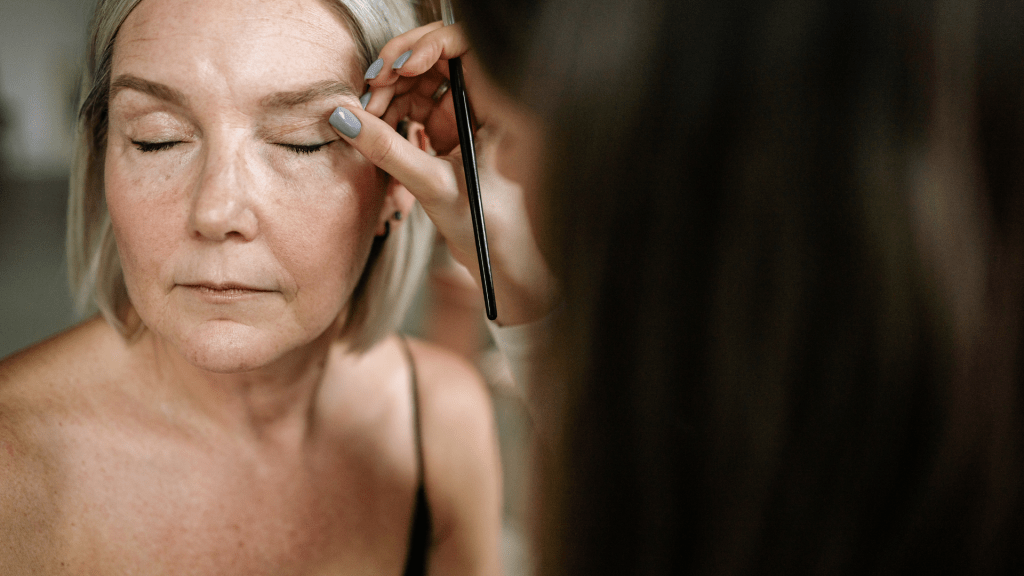
Stress negatively impacts not only our physical and mental well-being but also our appearance. Prolonged stress accelerates skin aging, increases wrinkles, and can even cause hair loss. But how exactly does stress affect our skin?
Board-certified dermatologist Dr. Annie Chiu and board-certified plastic surgeon Dr. Jason B. Diamond explain the effects of stress on skin health and wrinkles, along with practical ways to prevent them.
The Relationship Between Stress and Wrinkles
1. Collagen Breakdown Due to Increased Cortisol
Dr. Chiu states, “Stress increases cortisol levels in the body, which breaks down collagen and elastic fibers in the skin, making it thinner and more prone to wrinkles.” Continuous exposure to high cortisol levels speeds up skin aging and reduces elasticity.
2. Repetitive Facial Expressions
Dr. Diamond adds, “When we are stressed, we often unconsciously furrow our brows or frown, leading to deeper ‘worry lines’ over time.”
3. Unhealthy Lifestyle Choices
Stress influences not only physiological changes but also our habits. Many people engage in excessive alcohol consumption, smoking, or unhealthy eating when stressed, all of which can negatively impact skin health.

Other Skin Issues Caused by Stress
Beyond wrinkles, stress can contribute to various skin conditions.
1. Acne and Dermatitis
Dr. Chiu explains, “Stress exacerbates inflammatory skin conditions like acne, eczema, and psoriasis.”
2. Skin Dehydration
Stress weakens the skin barrier, leading to moisture loss and resulting in dry, flaky, and less elastic skin.
3. Increased Inflammation
Dr. Diamond states, “Prolonged stress triggers chronic inflammation, increasing oxidative stress and impairing the skin’s natural ability to regenerate.”
How to Prevent Stress Wrinkles
1. Maintain a Healthy Lifestyle
Dr. Diamond emphasizes, “Anti-aging and skin health depend on lifestyle choices such as getting 8-10 hours of sleep, regular exercise, a balanced diet, avoiding alcohol and smoking, and protecting skin from UV exposure.”
2. Stress Management
Dr. Chiu advises, “Practicing mindfulness techniques such as meditation, yoga, and deep breathing can significantly benefit skin health.”
3. Effective Skincare Routine
- Sunscreen (SPF): Essential for protecting the skin and preventing premature aging.
- Retinoids: Promote collagen production and help prevent wrinkles.
- Vitamin C Serum: Provides antioxidant benefits that protect against oxidative stress and photoaging.
- Hydration: Keeping skin well-moisturized helps maintain a strong skin barrier and elasticity.
How to Treat Stress Wrinkles
If stress-related wrinkles have already appeared, the following treatments may help.
1. Neuromodulators (Botox)
Dr. Chiu explains, “Neuromodulators like Daxxify reduce repetitive muscle contractions that lead to frown lines, preventing the deepening of wrinkles.”
2. Microneedling and Laser Treatments
These treatments stimulate collagen production, improve skin texture, and help reduce fine lines and wrinkles.
3. Chemical Peels and Skin Resurfacing
Chemical peels and laser resurfacing treatments enhance skin smoothness and reduce wrinkles.
A Holistic Approach to Healthy Skin
Preventing the effects of stress on the skin requires a combination of proper skincare and overall health management.
1. Mindfulness and Meditation
Dr. Diamond states, “Practicing daily meditation helps regulate emotions and control stress hormone release.”
2. Balanced Diet
Proper nutrition directly affects skin health. Dr. Diamond notes, “Monitoring protein intake and maintaining an optimal diet is crucial for overall beauty and skin wellness.”

Conclusion
Stress contributes to wrinkles both directly and indirectly, negatively affecting skin health. However, adopting a healthy lifestyle, managing stress effectively, and following a proper skincare routine can help prevent and improve stress-induced skin issues. Ultimately, addressing the root cause—stress—is the most effective way to maintain youthful, healthy skin.
 ENUVA | Holistic Beauty for Mind and Skin
Leave a comment